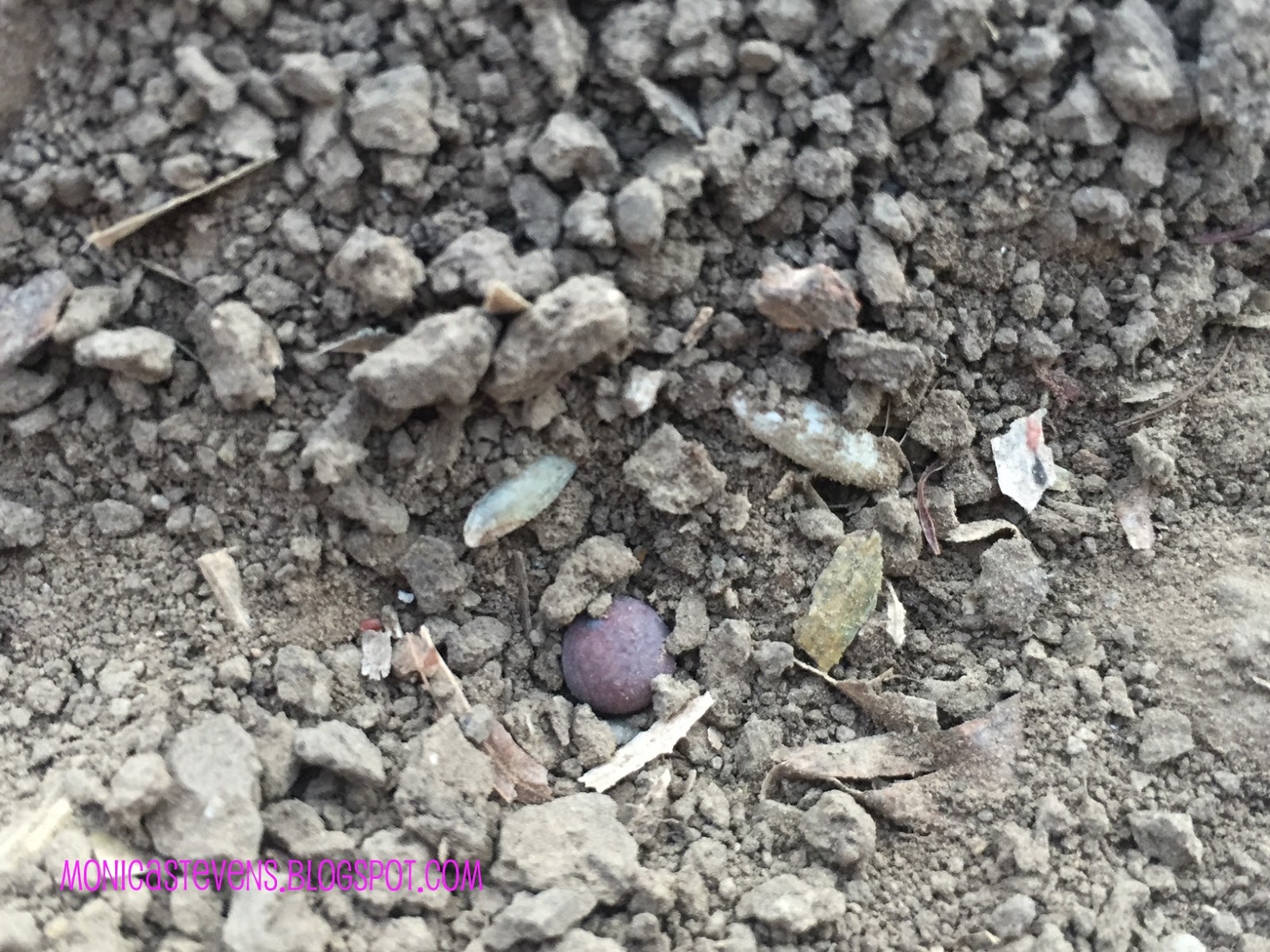
Two fields were prepared for seeding ground for hay. We use a mixture of alfalfa, red clover, and brome with oats. We seed at a rate of 12 pounds of alfalfa, 4 pounds of red clover, 5 pounds of brome, and 2 bushel of oats per acre. The fields were drilled on April 8 and 9. Favorable weather conditions have been perfect for growth.
a western Illinois cattlewoman living and loving her life on the farm in boots and advocating for agriculture in heels
Welcome!
my daily life on a cattle farm, my love of agriculture, and stories behind my photos
Showing posts with label conservation. Show all posts
Friday, May 1, 2020
Tuesday, November 6, 2018
forage peas: week 5
Week 5!
Sunshine last week and rain on Sunday and Monday. The forage peas have changed over a week. We are going into colder temperatures this week.
Labels:
agriculture,
conservation,
cows,
fall,
farm,
farming,
forage,
nutrition,
peas,
stewardship
Tuesday, October 30, 2018
forage peas: week 4
It is week number 4!
Austrian Winter Peas were no-till drilled on October 2. I checked the field of peas this morning to scout the weekly progress. We have had favorable growing conditions for the forage peas. This has been nice for growth going into winter.
Labels:
agriculture,
conservation,
cows,
fall,
farm,
farming,
forage,
nutrition,
peas,
stewardship
Tuesday, October 23, 2018
forage peas: week 3
I checked on the field of peas today. Oh my goodness. I love this snap of the forage peas. It is a favorite.
Labels:
agriculture,
conservation,
cows,
farm,
farming,
forage,
no-till,
nutrition,
peas,
Shorthorns
Friday, October 19, 2018
Tuesday, October 16, 2018
forage peas: week 2
It is week two for the forage peas.
The forage peas were no-till drilled on October 2. And since then, the peas have received a good amount of moisture. The field of forage peas have had a nice start to growing.
Hopefully favorable weather conditions will continue for further growth into winter.
I look forward to scouting the field of Austrian Winter Peas next week!
Labels:
agriculture,
conservation,
cows,
farm,
farmer,
farming,
forage,
no-till,
nutrition,
peas
Friday, October 12, 2018
Friday on the Farm
So, I am checking on the field of rye this morning. It is snowing. The flakes of snow were falling from the sky and melting on the rye.
[ agriculture photos @ monicastevens.photoshelter.com ]
Tuesday, October 9, 2018
forage peas: week 1
We drilled peas on October 2 [ post from seeding peas ] and rye on October 3. The Austrian Winter Peas are forage peas. They will be chopped and bagged next spring as silage for our cows.
Today, I scouted the field. I was happy to see that the forage peas were emerging! And, I am excited to see how much they grow next week!
![]() |
| emerging peas |
Labels:
agriculture,
conservation,
cows,
farm,
farmer,
farming,
forage,
no-till,
nutrition,
peas,
rye,
Shorthorns,
stewardship
Friday, October 5, 2018
Friday on the Farm
Austrian Winter Peas were seeded in a field. Eight acres of winter peas will be used as forage. Next spring, they will be chopped and bagged as silage for our cows.
![]() |
| austrian winter peas |
Rye and Austrian Winter Peas were drilled in a field where corn was chopped for silage. Seeding rye and peas on the field will protect the soil from erosion. The rye and peas will be chopped and bagged next spring as forage. It should be great forage!
![]() |
| peas and rye |
It rained this morning, so the forage peas and rye should have a great start to growing. It look forward to seeing the progress of the peas!
Friday, August 31, 2018
Friday on the Farm
Illinois native plants are beautiful...especially at this time of year. One warm and sunny morning, I was driving in my truck with the windows down. I noticed Big Bluestem growing by one of our fields along side the fence. I was so excited to see it! In addition to Big Bluestem, we also have Cup Plant and Wild Bergamot growing on the farms. So glad to see more native plant species for wildlife!
[ view agriculture photos @ monicastevens.photoshelter.com ]
Friday, July 20, 2018
conservation
On our family farm, conservation and stewardship have always been important.
take care of the land, and the and will take care of you - Hugh Hammond Bennett
My grandpa believed in conservation and being a steward of the land. He passed along the passion for agriculture, farming, conservation, and stewardship to us.
My dad has been farming for over 50 years. And over those years, he has utilized numerous conservation practices on the farm. For more than 35 years, he has farmed using no-till. That has proven to be very beneficial to the soil health on our farms. He has improved the farms with grassed waterways and tile to safely move surface and subsurface water off fields. Vegetative filter strips along crop fields border creeks also offer protection from erosion. My dad has used crop rotation ( corn, soybeans, hay ) and planted along contours of fields. Cover crops ( rye, oats, turnips, millet ) are planted to protect the soil, improve soil fertility, and for our cows to graze as high quality forage.
Permanent pasture where our cattle graze is on soil that is more sensitive to erosion. Installing rip rap along creek banks for stream bank stabilization has protected creeks in pastures from erosion. Pastures, hay fields, and fence rows provide great habitat for wildlife. We often see wildlife among our cow herds... deer, turtles, rabbits, bees, butterflies, quail, and a variety of other birds. It makes my heart happy.
This sign was installed on the farm. And, it means so much to me. My grandpa would be so proud.
Friday, June 29, 2018
Friday on the Farm
In the afternoon, I drove out to the field to scout. The field of millet germinated and was off to a good start. Heat and moisture from rainfall has been great growing conditions. Though, it was really surprising how quickly the millet was growing. I very much look forward to seeing it grow before the cows graze.
Friday, June 8, 2018
Friday on the Farm
The double cropped soybeans are emerging. These soybeans were planted on June 1. Rye was chopped and bagged as feed for cows to then plant soybeans. The planting conditions were excellent. The soil moisture was perfect for planting, and we have had plenty of sunshine.
Friday morning, it rained. It was great timing for the crops. We finished rolling up our first crop hay yesterday, so it was perfect. This rain will be incredibly beneficial for the young field of soybeans.
[ agriculture photos @ monicastevens.photoshelter.com ]
Friday, June 1, 2018
Friday on the Farm
Last Thursday, we chopped and bagged a field of rye to use as feed for our cows. This afternoon, we no-till planted soybeans into that field. Residue from the harvested rye and corn from the previous crop year remain protecting the soil. We planted into nice soil conditions with having rain on Thursday and Tuesday. With the soil moisture and warm temperatures, the soybeans should germinate quickly.


[ view agriculture photos @ monicastevens.photoshelter.com ]
Wednesday, May 9, 2018
conservation: rock chute
Conservation has always been at the heart of our farm. It is an ideal passed down through the generations. We truly believe in being conservationists and stewards of the land we love. My dad has practiced no-till farming for 35 years. Other conservation practices are implemented on the farm: contour farming, cover crops, grassed waterways, and filter strips. Permanent pasture is reserved for soil more sensitive to erosion from wind and water. And, hay is part of the crop rotation. Utilizing ground for growing hay also helps increase organic matter and soil fertility.
When we were renovating part of a cattle pasture, conservation work was also completed. In 2009, tile was installed in a grassed waterway of a field that borders the pasture. The tile outlet was in a creek that meanders through the pasture. A rock chute was installed at the edge of the creek to safely guide direct surface water off the field into the creek. The slope of the creek bank was slightly reduced and rock (rip rap) was placed along the creek bank as streambank stabilization. The rip rap was used to guard against erosion from water. After installation, we seeded brome along the rock.
It has been nine years since installation. And, the conservation practices used to protect the creek from water erosion have worked extremely well! It is quite impressive.
![]() |
| 2009 |
![]() |
| march 2018 |
Wednesday, October 12, 2016
checking in on the rye
![]() |
| rye |
Six acres of corn were chopped and bagged as silage for our cattle on September 19. The acres that were chopped were then seeded to rye on October 3 to protect the soil from possible erosion.
This morning, we checked in on the rye that was no-till drilled. It is looking nice! The rye emerged quickly and started growing on these sunny days. It is amazing how much the rye grew in just a couple days. With rain this afternoon, the rye will continue to grow well.
Sunday, October 9, 2016
rye
Rye is emerging!
As I walked out to the pasture this evening, I decided to scout the field chopped for silage and seeded with rye. On Monday afternoon, we no-till drilled rye for cover over the winter. I was excited to see the rye emerging from the soil.
63 pounds per acre of rye was seeded over 6 acres. The soil was perfect for seeding that afternoon. And on Wednesday evening, we received 1 3/4 inches of rain.
Monday, October 3, 2016
seeding rye
Today we no-till drilled rye into a corn field that was chopped and bagged for silage. Chopping corn for silage uses the entire corn plant. It therefore removes the plant material that would be residue. The lack of residue can leave soil vulnerable. The rye will protect the soil from possible erosion caused by wind or water.
Friday, May 13, 2016
Friday on the Farm
Friday, June 26, 2015
Friday on the Farm
![]() |
| milkweed is blooming |
The milkweed along the rural roadside is blooming. Butterflies and bees will be fluttering and buzzing! Happy pollinators!
As conservationists and stewards of our land, we maintain our roadsides. After bird eggs have hatched in the spring, we spray to kill any weeds growing. To provide more wildlife habitat, we do not mow our roadsides.
Subscribe to:
Posts (Atom)