Welcome!

my daily life on a cattle farm, my love of agriculture, and stories behind my photos

Showing posts with label forage. Show all posts

Friday, May 1, 2020

Friday on the Farm


Two fields were prepared for seeding ground for hay. We use a mixture of alfalfa, red clover, and brome with oats. We seed at a rate of 12 pounds of alfalfa, 4 pounds of red clover, 5 pounds of brome, and 2 bushel of oats per acre. The fields were drilled on April 8 and 9. Favorable weather conditions have been perfect for growth.    

Friday, November 8, 2019

inline wrapping hay


Three years ago, we wrapped round bales of hay for the first time. The weather would not allow us to bale hay before forecasted rain. So, we decided to set our baler in order to bale high moisture hay. The bales were then wrapped to ensile. Wrapping the bales allowed us to bale hay despite unfavorable weather conditions.

 
Over the past three years, we have continued to wrap hay. This has given us so much flexibility in baling. And, it stores our high quality hay outside for the winter. Wrapping bales shelters the hay from weather... rain, snow, and ice. So, it preserves the quality and nutritional value of our hay. 

Tuesday, November 6, 2018

forage peas: week 5

Week 5!


Sunshine last week and rain on Sunday and Monday. The forage peas have changed over a week. We are going into colder temperatures this week.

Tuesday, October 30, 2018

forage peas: week 4

It is week number 4!


Austrian Winter Peas were no-till drilled on October 2. I checked the field of peas this morning to scout the weekly progress. We have had favorable growing conditions for the forage peas. This has been nice for growth going into winter.

Tuesday, October 23, 2018

forage peas: week 3


I checked on the field of peas today. Oh my goodness. I love this snap of the forage peas. It is a favorite.

Friday, October 19, 2018

Friday on the Farm

 
Between unloading corn and filling a grain bin, I checked on the field of rye. The rye has grown about two inches since last week. Through the corn residue, the rye is growing. The field of rye is starting to green.


Tuesday, October 16, 2018

forage peas: week 2

It is week two for the forage peas.


The forage peas were no-till drilled on October 2. And since then, the peas have received a good amount of moisture. The field of forage peas have had a nice start to growing.

 
Hopefully favorable weather conditions will continue for further growth into winter.


I look forward to scouting the field of Austrian Winter Peas next week!

Friday, October 12, 2018

Friday on the Farm


So, I am checking on the field of rye this morning. It is snowing. The flakes of snow were falling from the sky and melting on the rye.  

[ agriculture photos @ monicastevens.photoshelter.com ]

Tuesday, October 9, 2018

forage peas: week 1

We drilled peas on October 2 [ post from seeding peas ] and rye on October 3. The Austrian Winter Peas are forage peas. They will be chopped and bagged next spring as silage for our cows.

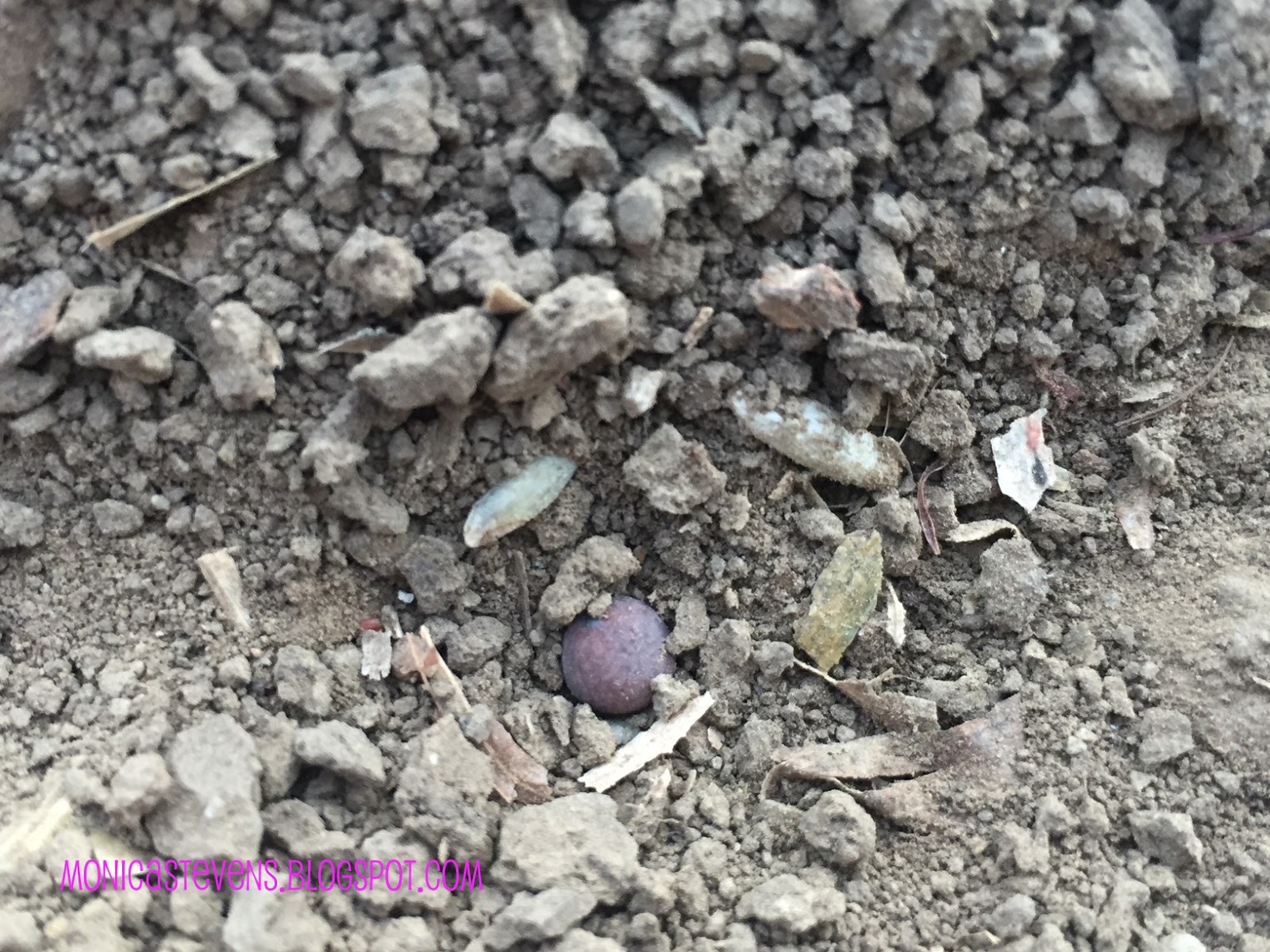
emerging peas
Today, I scouted the field. I was happy to see that the forage peas were emerging! And, I am excited to see how much they grow next week!

Friday, October 5, 2018

Friday on the Farm

Austrian Winter Peas were seeded in a field. Eight acres of winter peas will be used as forage. Next spring, they will be chopped and bagged as silage for our cows.

austrian winter peas

Rye and Austrian Winter Peas were drilled in a field where corn was chopped for silage. Seeding rye and peas on the field will protect the soil from erosion. The rye and peas will be chopped and bagged next spring as forage. It should be great forage!

peas and rye

It rained this morning, so the forage peas and rye should have a great start to growing. It look forward to seeing the progress of the peas!

Wednesday, October 3, 2018

forage peas

We no-till drilled peas into a field. The Austrian Winter Peas are a forage pea. These forage peas will be chopped and bagged next spring. We will use the pea silage as feed for our cows.
 
Austrian Winter Peas
The peas were seeded at a rate of 50 pounds per acre. And, they were drilled at a depth of 2 inches. Soil conditions were ideal for seeding the peas. We purchased fifty pound bags of peas to be seeded over an eight acre field. 


The peas will be an excellent forage. The pea silage will be high in protein. From what I have read, tonnage and percentage of protein depends on the maturity of the peas when harvested. When peas are beginning to blossom, they yield 1 to 2 tons per acre and are 15 to 20% protein. When peas are developing pods, they yield 1.5 to 3.5 tons per acre and are 10 to 15% protein.

I had been wanting to grow peas as forage for our cows. After two years, we decided to plant the winter peas. I am so very excited to watch them grow!


Friday, September 21, 2018

Friday on the Farm

We finished baling hay for the 2018 season!
 

It is so nice to have our hay rolled up for 2018. We have been busy cutting, tedding, raking, baling, and moving hay over the past four months.
 
During the hay season, we baled 400 large round bales and 1800 small square bales for our cows, calves, and bulls. We feed the round bales throughout the winter and spring. And, we feed the square bales to our pregnant cows during calving season in the spring.

 
I love seeing the new growth of alfalfa, clover, and brome after it has been cut and baled. It is beautiful to see the tender, emerald green leaves glowing under the warmth of the late summer sun.


[ view agriculture photos @ monicastevens.blogspot.com ]

Friday, June 29, 2018

Friday on the Farm


In the afternoon, I drove out to the field to scout. The field of millet germinated and was off to a good start. Heat and moisture from rainfall has been great growing conditions. Though, it was really surprising how quickly the millet was growing. I very much look forward to seeing it grow before the cows graze.

Thursday, June 14, 2018

millet

On May 27, a second field of rye was chopped and bagged. The ryelage will be used for feeding cows.  Following the rye, we decided to plant a crop for cows to graze during the summer in addition to their pasture.
 
 
We chose to no-till drill pearl millet into the field. It seemed to be the best option for us to plant. Cows will graze the field after the millet grows to a height of at least 20 inches. The field of millet will be used as rotational grazing throughout the summer. The millet will be grazed to a height of 6 to 8 inches. Grazing to this height will allow for regrowth.

We set the drill and seeded the millet at the rate of 25 pounds per acre. It was seeded at a depth of 1 inch. The soil moisture was great for seeding. Hopefully the millet will germinate quickly.

I am very excited about using the field of millet as part of grazing! And, I am looking forward to seeing the millet grow!

Friday, May 25, 2018

rye: 2018


Rye was no-till drilled on October 18 and November 1. 

 
The two fields of rye were cut on Thursday afternoon and Friday morning... one field of6 acres, and the second field of 8 acres. These fields were cut to be chopped and bagged as ryelage. And, we will feed the ryelage to cows late this summer as needed.


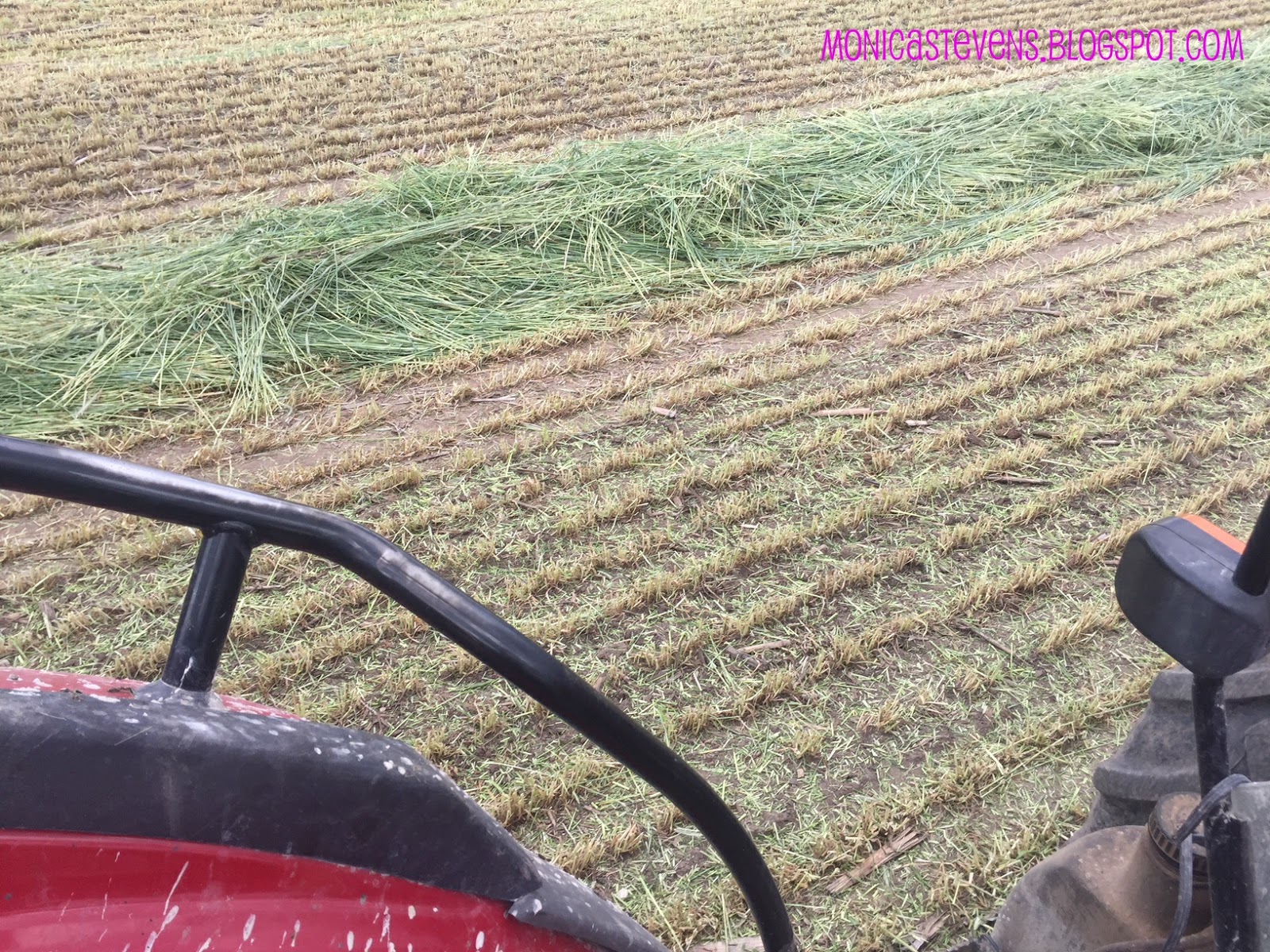
Rye was raked this morning to be chopped and loaded into wagons to fill a bag. 

catching rye as it is being chopped

Loads of rye were hauled back to the farm to fill the silage bag. Bagging crops like ryelage allows us to harvest high nutritional value forage and store it for later use. It has worked very well for us.


We finished chopping and bagging one field of rye. Then unfortunately, rain arrived. We were caught in a rain delay. So, we will have to wait to finish the second field of rye.

Friday, May 18, 2018

Friday on the Farm


This afternoon, I checked in on the newly seeded hay field. The field was no-till drilled on April 13. Overall, the seeding looks good. We hope for continued favorable growing conditions. 
 
[ view agriculture photos @ monicastevens.photoshelter.com ]

Friday, May 4, 2018

Friday on the Farm


5.4.18
On April 13, we no-till drilled a field. We seeded the field with oats, brome, alfalfa, alsike clover, and red clover. A rate of 2 bushel of oats, 2 pounds of brome, 10 pounds of alfalfa, 1.5 pounds of alsike clover, and 3.5 pounds of red clover was used per acre. This field will be future hay ground as forage for cows. 
 
[  agriculture photos @ monicastevens.photoshelter.com  ]

Monday, April 16, 2018

2018 forage

 
Oats were no-till drilled in a field on April 13. We will chop and bag the oats as oatlage for cattle feed. After the oats are harvested, we then plan on seeding forage peas into the field. The forage peas will also be chopped and bagged to be fed to cattle later. Forage peas are a quality feed that is high in protein. Following the forage peas, sudangrass or pearl millet with be no-till drilled into the field for cows to graze into the fall.

Sunday, January 7, 2018

farm calendars

Detailed record keeping and organization is vital to our Shorthorn cattle farm...


On our farm, we keep in depth records on our cows and calves. Farm calendars help us remain organized and track important dates we need to make note. Through this, we are able to better our farm management.

I use a few calendars each for different purposes...
..  A smaller monthly calendar is just for the cow herds. It notes... when cows calve during spring and fall calving (the calendar is included in our kit during calving season), when we vaccinate the herds of cows, calves, and bulls with our health program in the summer, the date bulls are turned out with the cow herds for breeding season, when embryos are implanted in recipient cows, when calves are weaned, if a feeder calf is sick and needs treatment, and  when we vaccinate and pregnancy check cows in the winter.

..  A small wall calendar will hang in the corn crib feed room. It will track when corn is rolled as feed for calves, when we take delivery of pelleted protein, feed additives and mineral, and when antibiotics are used in feed if it is needed.  

..  A large desk calendar sits on my desk of the farm office. This calendar is the my main calendar.  In addition to tracking the cattle herds, and feed records, we note weather conditions, when we cut and bale hay, along with the amount of hay harvested, and is also my personal calendar.

I found a few cute calendars at Target. [ I absolutely love Target! ] It is always nice when calendars are super cute. So, I am ready for 2018 on the farm!

Wednesday, November 1, 2017

seeding rye

This afternoon, we finished seeding rye as forage for our cattle.
 
bags of rye
Dad sprayed a 7 acre field of hay field to be seeded. The hay field had been cut and baled as forage since 2010. Since we need high quality and quantity of forage, we decided to seed the field. We no-till drilled rye into the field this morning. The rye was seeded at a rate of 72 pounds per acre. Rain is in the forecast, so it should be great for germination.
 
no-till drill filled with rye

We are planning on planting red clover and spring peas into the rye next spring. The rye, clover, and peas will then be chopped and bagged as silage. It should be a quality forage high in nutritional value. I am pretty excited about this forage for our cows!